- 2025 Dec 17
The Benefits of Honeycomb: Natural, Unprocessed, and Delicious
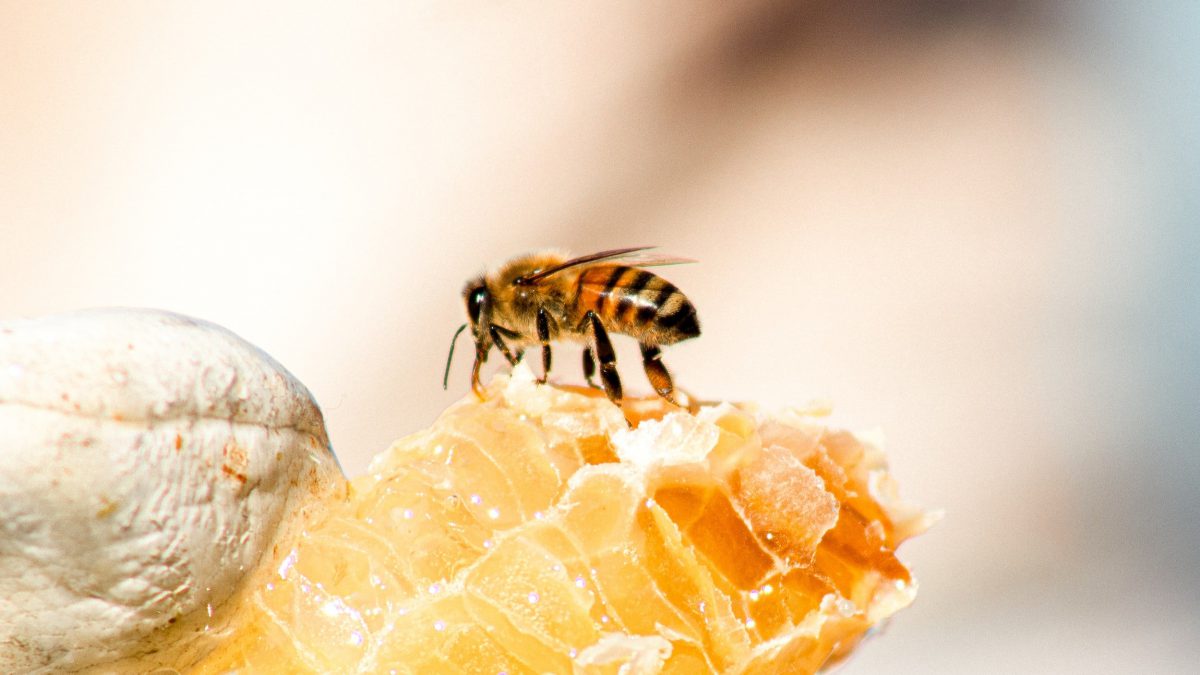
Honeycomb is a natural, unprocessed, and delicious food that is produced by bees. It is made up of hexagonal wax cells that contain honey, pollen, and propolis. Honeycomb has been used for centuries as a source of food and medicine, and it has many potential health benefits. In this article, we will explore the benefits of honeycomb and how you can incorporate it into your diet.
What is Honeycomb?
Honeycomb is a natural product that is made by bees. Bees use wax to create hexagonal cells, which they fill with honey, pollen, and propolis. Honeycomb is harvested by beekeepers by removing frames from the beehive, which contain the honeycomb. The honeycomb is then cut into pieces and can be eaten as is or used as a topping for food.
Benefits of Honeycomb
Rich in Nutrients
Honeycomb is a rich source of nutrients, including vitamins, minerals, and antioxidants. It contains vitamins B, C, and E, as well as minerals like calcium, magnesium, and potassium. Honeycomb also contains antioxidants like flavonoids and phenolic acids, which can help to protect the body against oxidative stress and inflammation.
Read more
PURE HONEY PRICE IN MALAYSIA
Immune-Boosting Properties
Honeycomb has immune-boosting properties, thanks to the presence of propolis. Propolis is a resinous substance that bees collect from trees and plants, which they use to seal the hive and protect it from bacteria and viruses. Propolis has antibacterial, antiviral, and anti-inflammatory properties, which can help to boost the immune system and protect against infections.
Soothes Sore Throat
Honeycomb can be used to soothe a sore throat. The honey in honeycomb has antibacterial properties, which can help to kill bacteria that cause throat infections. Honey also has a soothing effect on the throat, which can help to reduce inflammation and relieve pain.
May Help with Allergies
Honeycomb may help with allergies, thanks to the presence of pollen. Eating small amounts of local honeycomb can help to desensitize the body to pollen, which can reduce allergy symptoms like sneezing, runny nose, and itchy eyes. However, it is important to note that more research is needed to confirm this benefit.
Read more
RAW HONEY VS REGULAR HONEY
Supports Digestive Health
Honeycomb can support digestive health, thanks to the presence of enzymes and prebiotics. The enzymes in honeycomb can help to break down food and improve digestion, while the prebiotics can help to promote the growth of beneficial bacteria in the gut.
How to Incorporate Honeycomb into Your Diet
Honeycomb can be eaten as is or used as a topping for food. Here are some ways to incorporate honeycomb into your diet:
Spread it on Toast
Honeycomb can be spread on toast or bread for a delicious and nutritious breakfast. Simply spread the honeycomb on the toast and enjoy.
Use it as a Topping for Yogurt
Honeycomb can be used as a topping for yogurt or other dairy products. Simply chop the honeycomb into small pieces and sprinkle it on top of your yogurt.
Add it to Smoothies
Honeycomb can be added to smoothies for a natural sweetener and a boost of nutrients. Simply blend the honeycomb with your favorite fruits and vegetables for a delicious and healthy smoothie.
Read more
HONEY PRICE
Eat it as a Snack
Honeycomb can be eaten as a snack on its own. Simply cut the honeycomb into small pieces and enjoy.
Use it in Salad Dressings
Honeycomb can be used in salad dressings for a natural sweetener and a boost of nutrients. Simply chop the honeycomb into small pieces and mix it with olive oil, vinegar, and other ingredients for a delicious and healthy salad dressing.
Where to Buy Honeycomb
Honeycomb can be purchased at local farmers’ markets, health food stores, and online. When purchasing honeycomb, look for a reputable source that sells natural and unprocessed honeycomb.
Honeycomb is a natural, unprocessed, and delicious food that has many potential health benefits. It is rich in nutrients, has immune-boosting properties, soothes sore throat, may help with allergies, and supports digestive health. Honeycomb can be incorporated into your diet in many ways, including as a spread on toast, a topping for yogurt, or an ingredient in salad dressings. If you are looking for a natural and healthy food, honeycomb is definitely worth trying.
Read more
HONEY MANUFACTURING PROCESS
Bees are fascinating creatures that are known for their ability to create intricate and complex structures, such as honeycomb. Honeycomb is a natural product that is made by bees using wax and serves as a storage unit for honey, pollen, and brood.
The Anatomy of a Beehive
Before we dive into how bees make honeycomb, it’s important to understand the anatomy of a beehive. A beehive is a complex structure that is made up of many different parts, including the brood nest, honey stores, and wax cells. The brood nest is where the queen bee lays her eggs, and it is also where the young bees develop. The honey stores are where the bees store honey and pollen for food, and the wax cells are where the bees store this food.
Read more
POPULAR LOCAL HONEYS IN MALAYSIA
How Bees Make Honeycomb
Bees make honeycomb by producing wax from special glands on their bodies. The wax is secreted in small scales, which the bees chew and soften with saliva until they become pliable. The bees then use their mandibles to mold the wax into hexagonal shapes, which are the building blocks of honeycomb.
The hexagonal shape is not only aesthetically pleasing, but it is also an efficient use of space. Hexagons fit together tightly, leaving no wasted space, and they require less wax to create than other shapes. In fact, the hexagonal shape is so efficient that it has been adopted by engineers and designers for use in various applications, such as in the construction of buildings and in the design of airplane wings.
Once the bees have molded the wax into hexagonal shapes, they use their bodies to form the wax into honeycomb. The bees cluster together and use their body heat to soften the wax, making it pliable and easy to shape. The bees then shape the wax into the familiar hexagonal cells, which are used to store honey, pollen, and brood.
Read more
HONEY COMPANIES IN IRAN
The Science Behind Honeycomb
The process of making honeycomb involves several scientific principles, including geometry and thermodynamics. The hexagonal shape of honeycomb is an example of a natural geometric pattern, which is also found in other structures in nature, such as snowflakes and turtle shells. The hexagonal shape is the most efficient use of space for storing food, and it allows the bees to store the maximum amount of food with the least amount of wax.
The process of softening the wax with body heat is an example of thermodynamics, which is the study of the relationship between heat and other forms of energy. When the bees cluster together and generate heat, they are using their bodies to transfer thermal energy to the wax, which softens and becomes pliable. The bees are able to maintain the temperature and humidity levels in the hive to ensure that the wax remains pliable and easy to shape.
Read more
Successful beekeeping
The Importance of Honeycomb
Honeycomb is an important part of the bee’s life cycle and serves as a storage unit for honey, pollen, and brood. Honey is a valuable resource for bees, as it provides them with energy and nutrients to survive the winter months when food sources are scarce. Pollen is also a valuable resource, as it provides the bees with protein and other nutrients that they need to grow and develop.
Honeycomb is also important for humans, as it provides us with a delicious and nutritious food source. Honeycomb can be eaten as is or used as a topping for food, and it is rich in vitamins, minerals, and antioxidants. Honeycomb is also a natural sweetener and can be used as a healthier alternative to processed sugars.
Bees are incredible creatures that have the ability to create complex structures, such as honeycomb. Honeycomb is made by bees using wax and serves as a storage unit for honey, pollen, and brood. Bees produce wax from special glands on their bodies and mold it into hexagonal shapes using their mandibles. The bees then use their bodies to soften the wax and shape it into honeycomb. The process of making honeycomb involves several scientific principles, such as geometry and thermodynamics. Honeycomb is an important part of the bee’s life cycle and serves as a valuable resource for both bees and humans.
Read more
BUYING PURE HONEY FROM IRAN
The Role of the Worker Bees
Worker bees play a crucial role in maintaining the temperature and humidity levels in the hive. They do this by regulating the airflow and temperature inside the hive, as well as by fanning their wings to control humidity levels.
Regulating Airflow and Temperature
The worker bees regulate airflow and temperature in the hive by controlling the size and orientation of the entrance, which is the only opening in the hive. When the weather is cold, the worker bees reduce the size of the entrance to prevent cold air from entering the hive. They also cluster together to generate heat, which helps to maintain the temperature inside the hive.
Read more
BEST HONEY TO BUY
When the weather is hot, the worker bees increase the size of the entrance to allow more airflow into the hive. They also fan their wings to increase the airflow, which helps to cool the hive. The worker bees also collect water and place it in the hive, which evaporates and helps to cool the hive.
The Role of the Worker Bees
Worker bees play a crucial role in maintaining the temperature and humidity levels in the hive. They do this by regulating the airflow and temperature inside the hive, as well as by fanning their wings to control humidity levels.
Regulating Airflow and Temperature
The worker bees regulate airflow and temperature in the hive by controlling the size and orientation of the entrance, which is the only opening in the hive. When the weather is cold, the worker bees reduce the size of the entrance to prevent cold air from entering the hive. They also cluster together to generate heat, which helps to maintain the temperature inside the hive.
Read more
HONEY SALES CHANNELS IN MALAYSIA
When the weather is hot, the worker bees increase the size of the entrance to allow more airflow into the hive. They also fan their wings to increase the airflow, which helps to cool the hive. The worker bees also collect water and place it in the hive, which evaporates and helps to cool the hive.
Humidity Control
Humidity control is the process of regulating the amount of moisture in the air. Bees use humidity control to regulate the humidity levels in the hive by collecting water and placing it in the hive. The bees also fan their wings to increase airflow, which helps to evaporate excess moisture and reduce the humidity levels in the hive.
Similar blogs
HONEY EXPORT FROM IRAN
2025 Dec 17
IRANIAN HONEY PRICE
2025 Dec 17
EXPORT PURE HONEY FROM IRAN
2025 Dec 17